Delta Reconnect >
The Great Sambas Basin Landscape
Started 2019—now
Active
The Great Sambas Basin Landscape
- Sambas, West Kalimantan
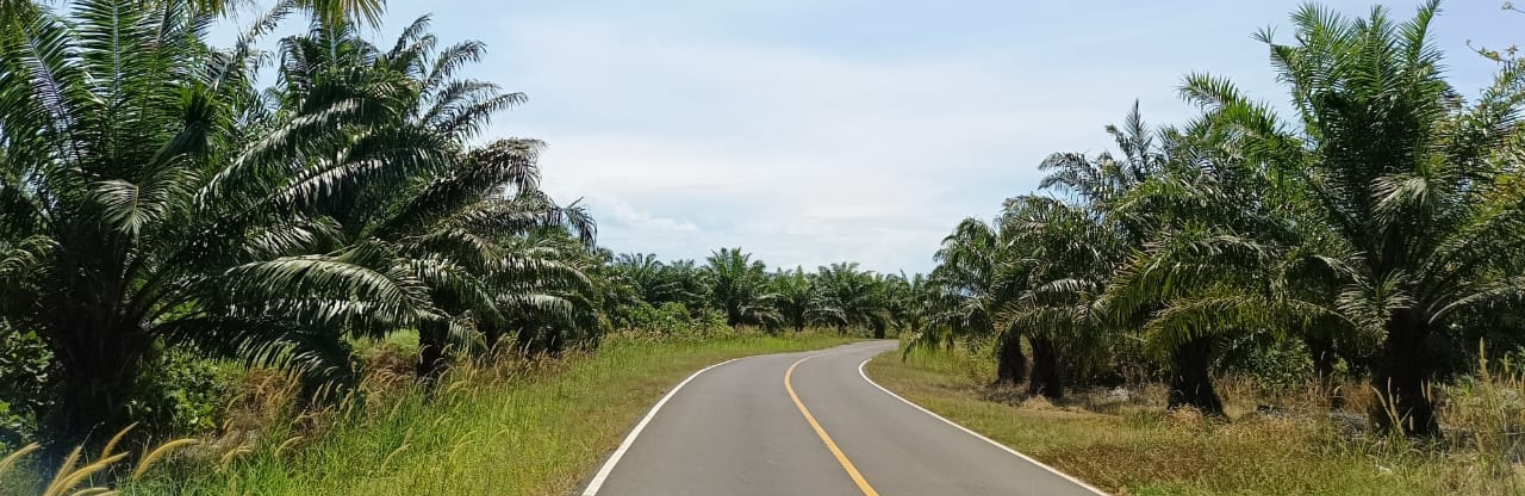
The Great Sambas Basin is more than just a district at the edge of West Kalimantan it is a frontier where forests, peatlands, mangroves, and coastal ecosystems converge. This landscape is not only the foundation of local livelihoods—where more than half of the workforce depends on farming, forestry, and fisheries but also a vital pillar of ecosystem stability and climate resilience. Covering 594,000 hectares of land and stretching across more than a hundred kilometers of coastline, the Sambas Basin stands as both a cradle of biodiversity and a cornerstone of local and regional economies.
Yet, the Sambas Basin also carries scars of deforestation. Over the last two decades, forest cover declined by nearly half, from 275,000 hectares in 2000 to just 147,000 hectares in 2022. Palm oil expansion and land encroachment have accelerated biodiversity loss and weakened ecosystem functions, contributing millions of tons of carbon emissions. Without decisive action, another 16,000 hectares could vanish by 2030, turning Sambas into a major source of greenhouse gas emissions.
But Sambas Basin holds a different potential. Through multi-stakeholder collaboration, forest loss can be reduced by up to 90% preventing more than 2.6 million tons of CO₂ emissions in the next five years. This positions Sambas as a strategic jurisdiction for Indonesia’s FoLU Net Sink 2030 target, and as a global model of climate resilience.
Nature50 works with the Sambas Basin Landscape to unlock this potential. By empowering independent smallholders to produce carbon-neutral edible oil (CNEO), enabling companies with past deforestation to re-enter markets through restoration (R4R), safeguarding mangroves and turtle nesting beaches (CHP), and strengthening local government as a central partner (LGSF), Sambas demonstrates how a landscape can lead systemic change.
The Sambas Basin is not only a place of risk, but also a landscape of solutions where protecting forests and empowering people go hand in hand with securing global value chains and climate stability.
Sebubus - Paloh Sambas Landscape
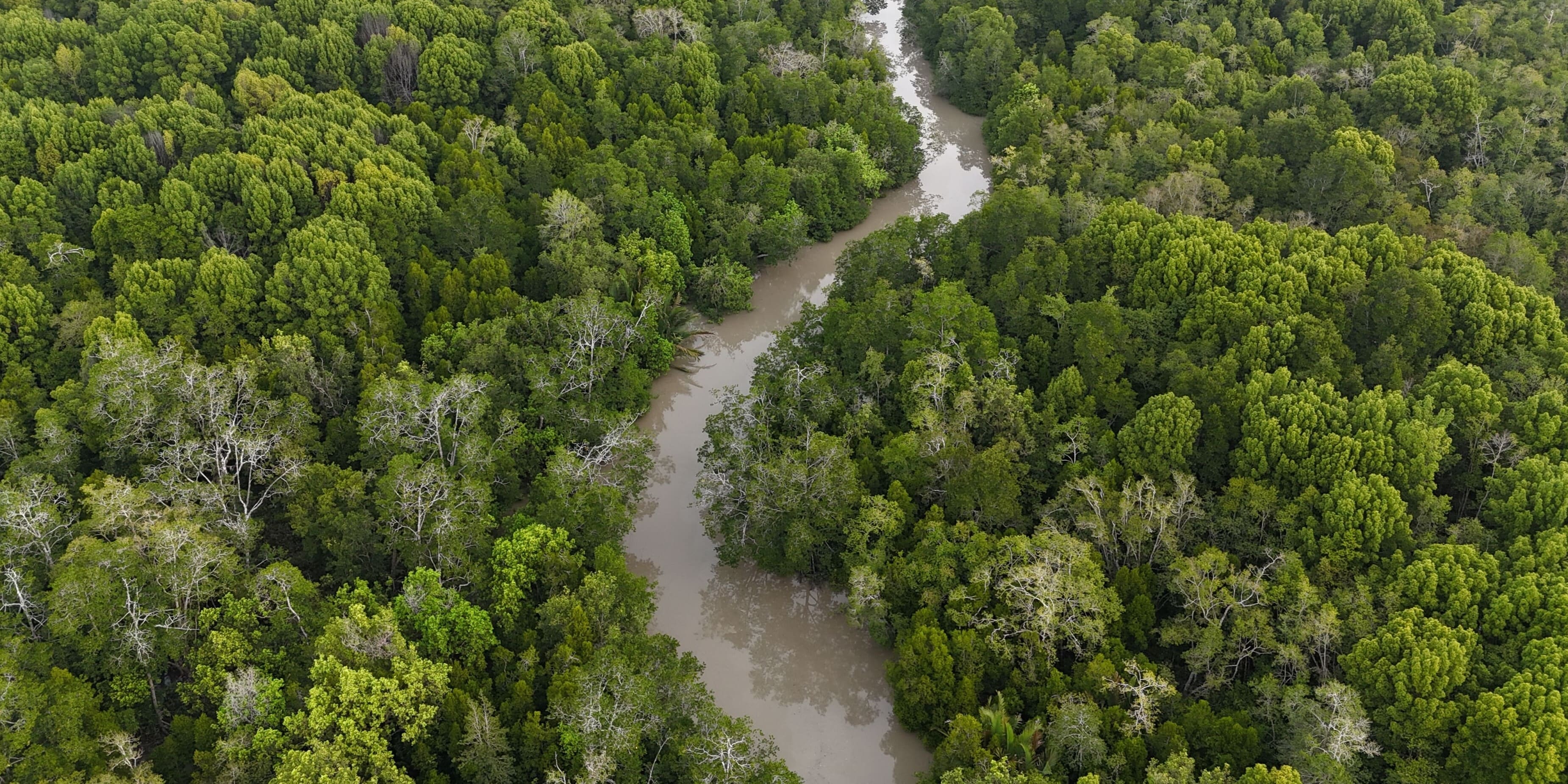
Where communities, forests, and oceans shape a sustainable future.
Sebubus, a coastal village in Paloh Subdistrict, Sambas Regency, represents a unique landscape where mangrove forests, turtle nesting beaches, and community forests converge with local economies rooted in palm oil, fisheries, and non-timber forest products. Through Nature50, local communities are not only safeguarding critical habitats but also building new economic opportunities—from sustainable palm oil and mangrove-based products to turtle and coastal eco-tourism. With the support of local government and connections to global markets, Sebubus stands as a living example of how conservation and development can advance together—for climate, biodiversity, and social justice.
This landscape is not merely an administrative unit, but a mosaic of vital ecosystems that span over 31 km of coastline, green and hawksbill turtle nesting grounds, 6,000 hectares of community forests, and expansive mangroves. Here, the richness of tropical biodiversity intersects with the everyday realities of local livelihoods. Independent smallholders cultivate palm oil, while communities safeguard mangroves as buffers against erosion, sources of food, and habitats for endemic species such as proboscis monkeys. Along the coast, community groups work tirelessly to protect turtles from poaching and habitat loss. These efforts demonstrate one clear truth: local communities are the frontline actors in nature protection.
Nature50 connects these local initiatives to the global agenda. Through the Inclusive Smallholders program, we support land legalization, reduce deforestation risk through monitoring, and link farmers to sustainable supply chains. With Critical Habitat Protection, we ensure that mangroves, wildlife corridors, and critical coastlines remain secure—strengthened by social forestry groups and eco-tourism initiatives amid production pressures. And through the Local Government Support Facility, we empower Sambas district and village governments to actively safeguard high conservation value areas with legal frameworks and long-term partnerships.
The strategy in Sebubus goes beyond ecosystem protection—it unlocks new economic opportunities. Training in mangrove-based product processing, stingless bee honey cultivation, local handicrafts, and the development of mangrove and turtle eco-tourism show that conservation can directly translate into livelihoods. Here, sustainability is not an abstract concept but a practical pathway to climate resilience, social equity, and supply chain credibility.
By bridging local communities, local government, and global markets, Nature50’s implementation in Sebubus and the broader Paloh Seascape offers a forward-looking model for the future: inclusive production, strong conservation, and measurable sustainability.
View Other Project
Seluma Landscape
Where forests, smallholders, and wildlife thrive together
 Seluma, Bengkulu Province
 60,000 hectares intervened
Pawan Basin – Ketapang Landscape
Turning Risks Into Resilience in Pawan Basin
Ketapang, West Kalimantan
35,000 hectares intervened
Sumatra Reconnect
Restoring tidal flows to enhance wetland ecosystems and support fish habitats.
Sumatra Delta, Indonesia
1,200 hectares revitalized